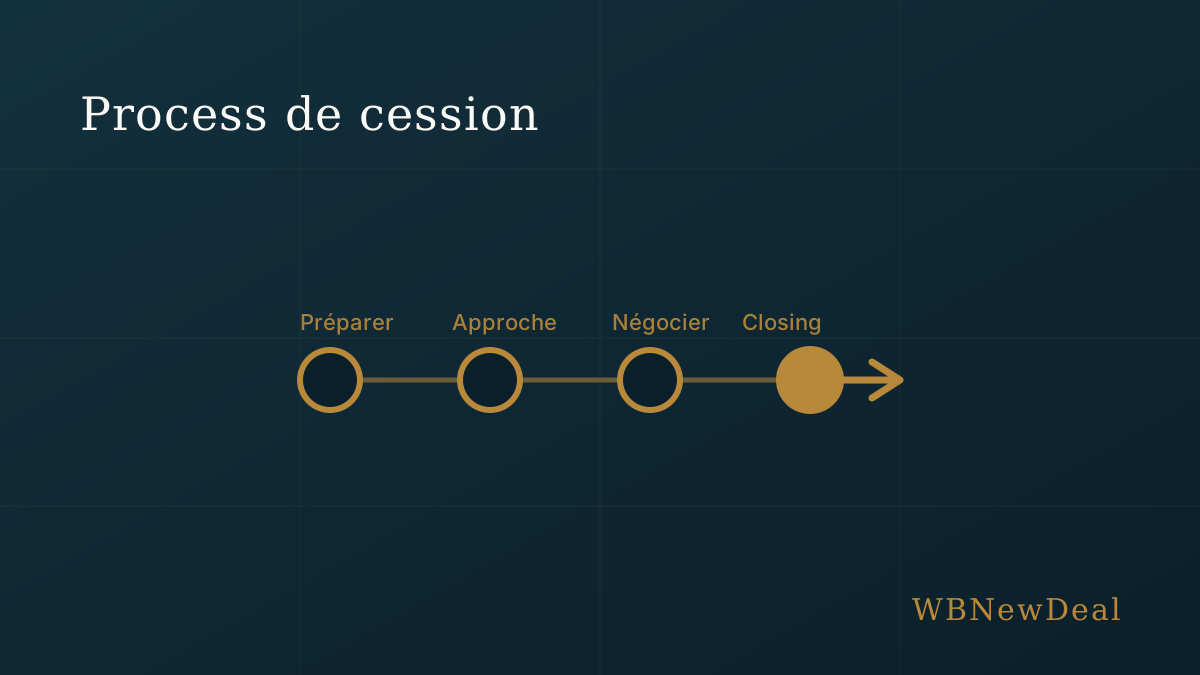
For an owner, selling the company is a rare and demanding event. The quality of the outcome, price, legal security, peace of mind, depends largely on process control, more than on chance encounters.
1. Prepare
The most underrated and most decisive stage. Tidying the accounts, securing legal and tax points, formalising the value created: this work defuses objections before they weigh on price. A company that is "ready to be sold" negotiates better.
2. Approach the market
Target the right buyers, strategic, financial, management buyers, and run a controlled competitive process, in confidence. The anonymised teaser, then the information memorandum, structure how the company is presented to selected candidates.
3. Negotiate
From marks of interest to the letter of intent (LOI), then due diligence: this is when the buyer tests every assumption. A well-prepared file limits last-minute price adjustments and unfavourable clauses.
4. Closing
Negotiating the sale agreement (SPA), the representations and warranties and the owner's exit terms seals the deal. Anticipating the transition period, handover, any earn-out, avoids nasty surprises after signing.
Our read
The seller's best ally is time. Preparing early means affording the luxury of choosing your buyer and your timetable, rather than enduring them. A controlled process protects value as much as the owner.
This article is for educational purposes and does not constitute investment, legal or tax advice.