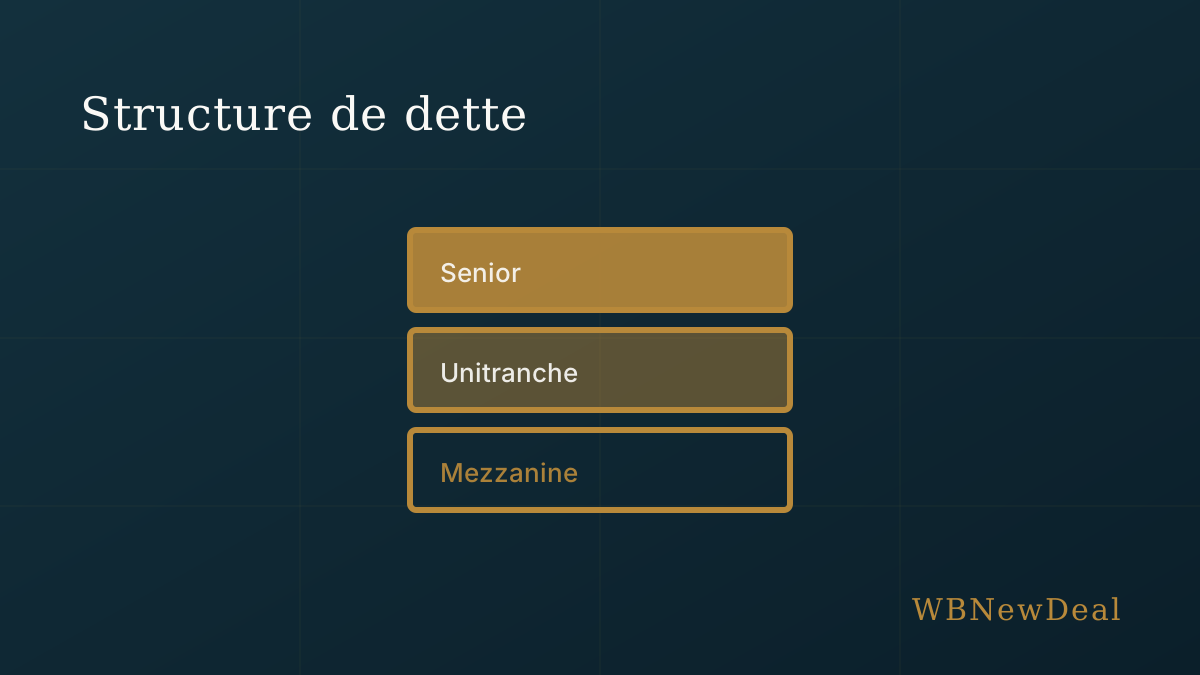
Financing an acquisition means trading off cost, flexibility and speed of execution. Three main families of instruments coexist, and are often combined.
Senior debt
The cheapest, but the most demanding. Provided by banks, it usually comes with amortisation, security and closely monitored covenants. It suits companies with steady cash flows, able to meet financial commitments over time.
Unitranche
A single debt, provided by a private debt fund, blending the senior and junior layers. More flexible and quicker to arrange, often bullet (repaid at maturity), it costs more than bank senior. It appeals to deals that prioritise speed of execution and cash preservation.
Mezzanine
Subordinated debt, repaid after senior, riskier and therefore more expensive, sometimes with an equity kicker. It completes the structure when senior debt isn't enough to close the financing, without further diluting shareholders.
How to arbitrate
- Cash-flow regularity: the steadier, the more accessible senior debt is.
- Cash needs: a bullet structure preserves cash to invest.
- Speed: unitranche is negotiated with a single counterparty.
- All-in cost: the headline rate isn't everything; flexibility and covenant-breach risk also count.
Our read
The right structure is the one that leaves the company room to execute its plan, even if a year turns out worse than expected. Optimising cost at the expense of flexibility is a false economy.
This article is for educational purposes and does not constitute investment, legal or tax advice.